Pizza Oven Sustainability: A Greener Slice of Life
The rising popularity of pizza ovens intersects surprisingly with the growing movement towards sustainable agriculture. While readily available data linking specific pizza oven models from Tractor Supply and detailed sustainable farming practices is limited, the principles of sustainability easily apply to this enjoyable pastime. This guide explores how conscious choices regarding fuel sources, oven construction, and even community engagement can transform your pizza-making into an environmentally friendly practice. We'll uncover actionable steps to enjoy delicious pizza while minimizing your environmental footprint. How can we ensure our love for pizza doesn't come at the expense of the planet? For more resources on sustainable practices, check out this helpful guide: Tractor Supply Resources.
Fueling Your Fire: Sustainable Fuel Sources
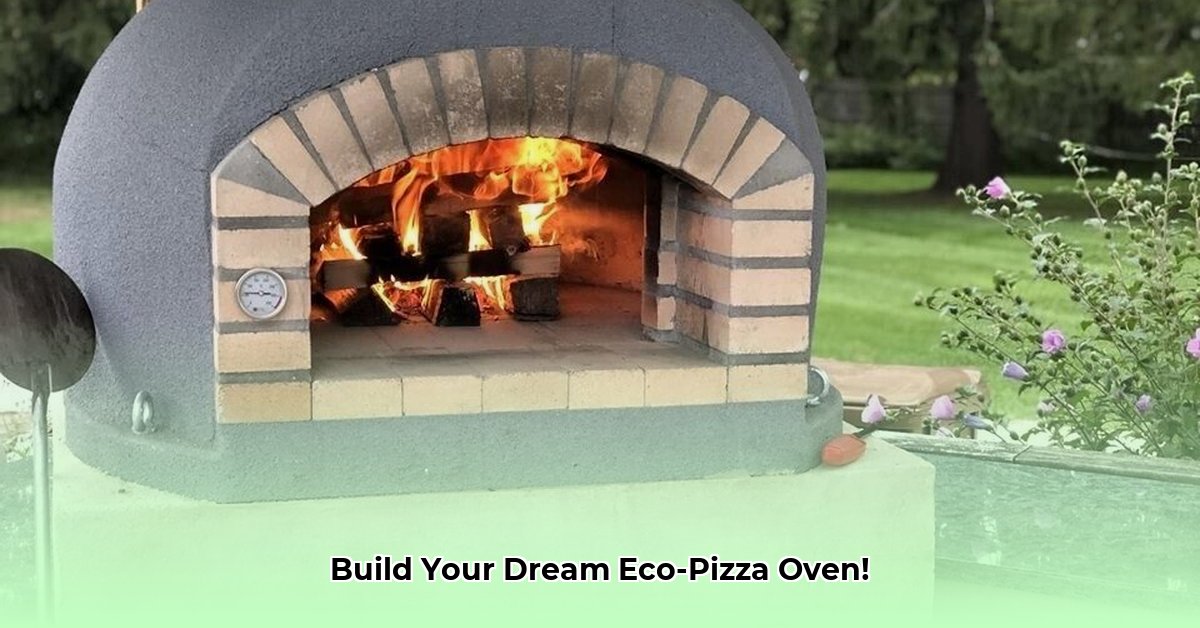
The fuel you choose significantly impacts your pizza oven's environmental footprint. While propane offers convenience, its carbon emissions are substantial. Wood-fired ovens present a more sustainable alternative, particularly if fueled by sustainably harvested firewood or agricultural waste like pruned tree branches. This resourceful approach aligns perfectly with the principles of sustainable farming, transforming potential waste into delicious pizza fuel. However, even wood-burning requires careful management; poorly controlled combustion leads to air pollution. Efficient oven design is essential to minimize smoky emissions. Exploring alternative fuels like compressed biomass pellets offers a potentially cleaner, more sustainable option worthy of further investigation. What's the most environmentally responsible fuel for your pizza oven?
Oven Construction: Building for Longevity and Sustainability
An oven's construction materials directly influence its long-term environmental impact. A durable, well-built oven reduces the need for frequent replacements, minimizing waste over its lifespan. Prioritizing locally sourced, recycled, or reclaimed materials further reduces the environmental impact. This approach supports local businesses while decreasing transportation emissions associated with material delivery. Before purchasing, consider the oven's overall lifespan; is it built to last, or is it a short-lived addition destined for the landfill? The emphasis should be on products designed for longevity and sustainable consumption. How can we minimize the environmental impact of pizza oven manufacturing?
Beyond Individual Use: Community and Agri-tourism
Your pizza oven's potential extends beyond personal use. Imagine its role as a centerpiece in an agri-tourism venture, where you serve pizzas made with ingredients directly from your farm. This model showcases your farm's dedication to sustainable practices while providing a unique customer experience, generating additional income. It represents a true farm-to-table experience, taking sustainability from the farm to the oven and onto the plate. How can pizza ovens become a catalyst for sustainable community development?
Looking Ahead: Future Trends in Sustainable Pizza Ovens
The increasing demand for eco-friendly products points towards innovation in pizza oven design. Expect to see advancements in energy efficiency and a greater focus on recycled and sustainable materials in the coming years. Manufacturers are likely to increasingly adopt circular economy principles, designing ovens for easy repair, maintenance, and eventual recyclability. This parallels advancements in sustainable agriculture, where resourcefulness, reduced waste, and responsible practices are taking center stage. What future innovations can we anticipate in sustainable pizza oven technology?
Actionable Steps for Greener Pizza: A Practical Guide
Let's translate these concepts into practical steps:
Evaluate Fuel Sources: Carefully weigh the environmental impact of different fuel options (propane, wood, pellets, etc.) based on factors such as carbon emissions, air quality, and sourcing ease.
Prioritize Durable Construction: Invest in a high-quality oven constructed from robust, long-lasting materials. Assess the overall cost, including maintenance and potential replacements, over the oven’s lifetime.
Source Locally: Give preference to locally sourced ovens and building materials. This reduces transportation emissions and strengthens local economies.
Utilize Agricultural Waste: Explore possibilities for using agricultural waste as fuel. Carefully consider safety, efficiency, and any relevant regulations.
Plan for End-of-Life: Prioritize ovens designed for recyclability or reuse at the end of their lifecycle, reducing eventual waste.
Bridging the Gap: Sustainable Farming and Pizza Ovens
The scarcity of readily available data on the link between sustainable agriculture and pizza ovens highlights a gap in research and market understanding. Further research into the environmental implications of different fuel sources and oven designs is essential. Supporting manufacturers who prioritize eco-friendly materials and construction is crucial. Ultimately, sustainable pizza enjoyment hinges on informed consumer choices, transparent supply chains, and a collective commitment to environmentally responsible cooking practices. How can we accelerate research and collaboration to improve the sustainability of the pizza-making industry?